Biotex
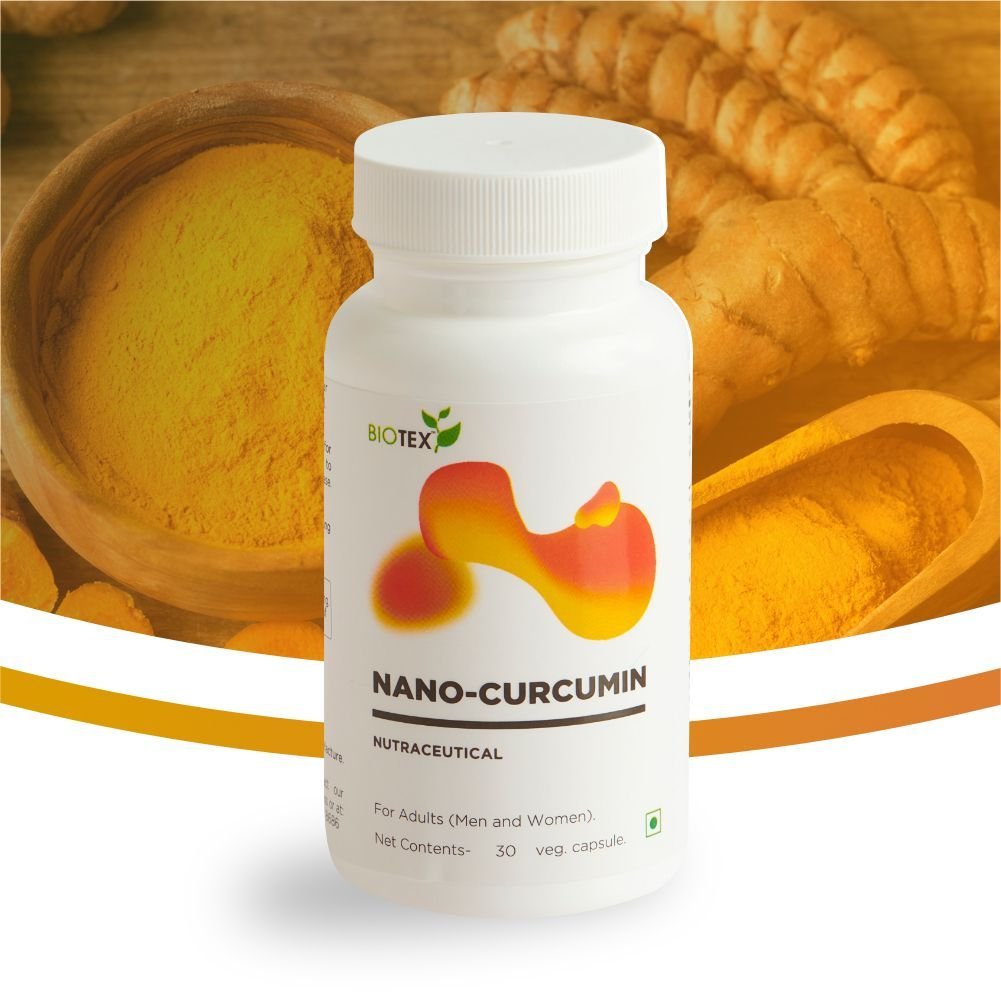
Nanocurcumin Capsules
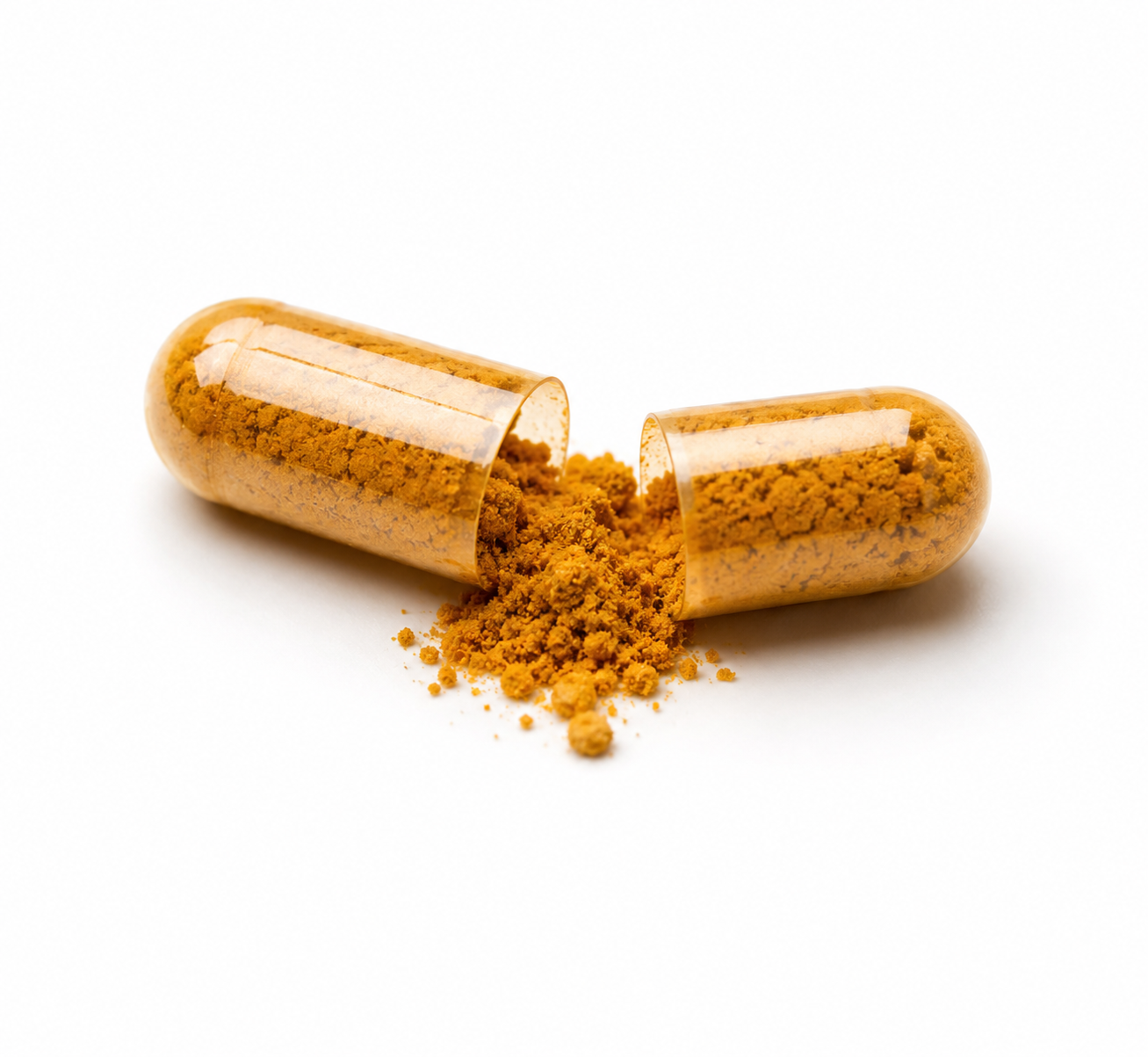
Give your mental and physical health a boost with the potent, golden Nanocurcumin, now in a capsule!
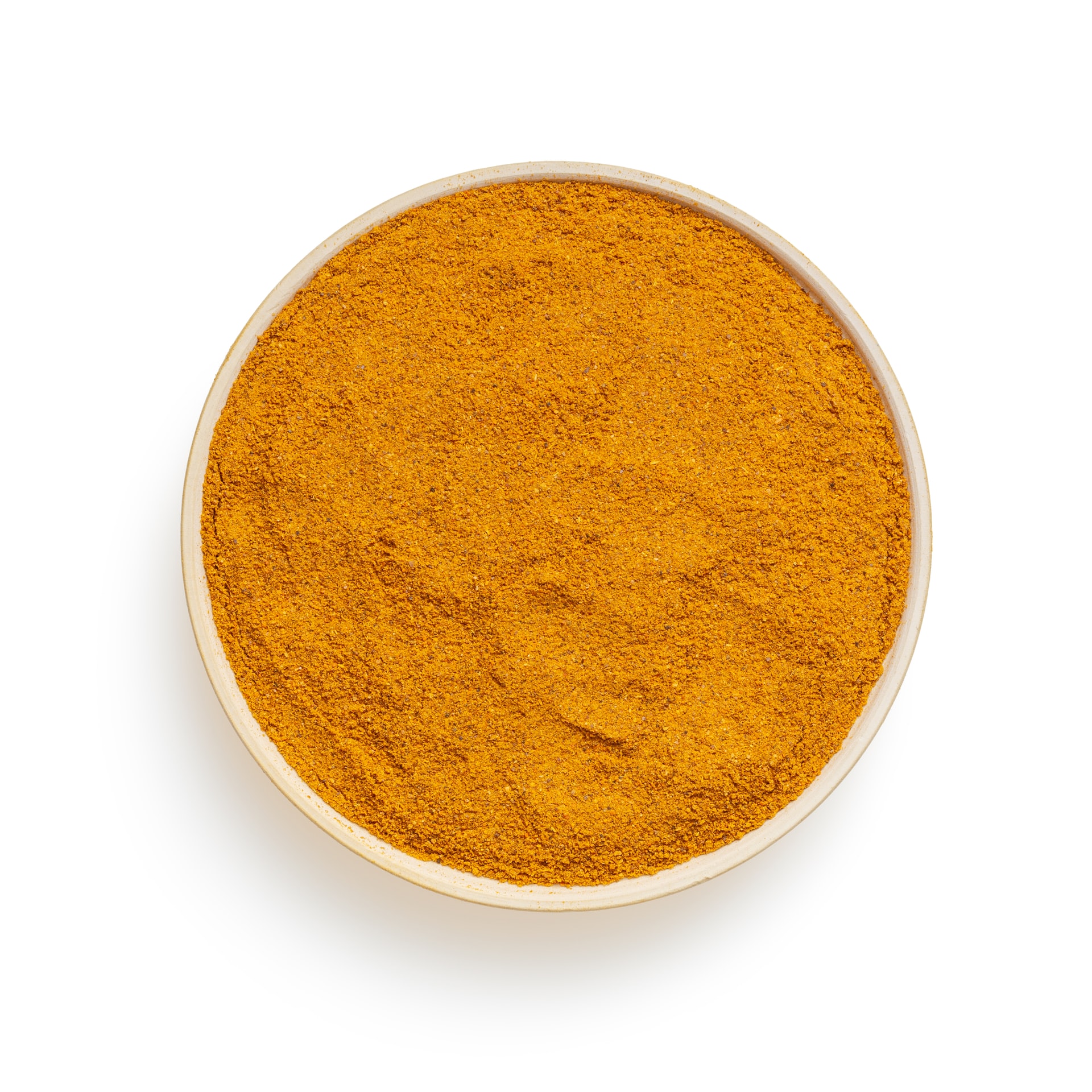
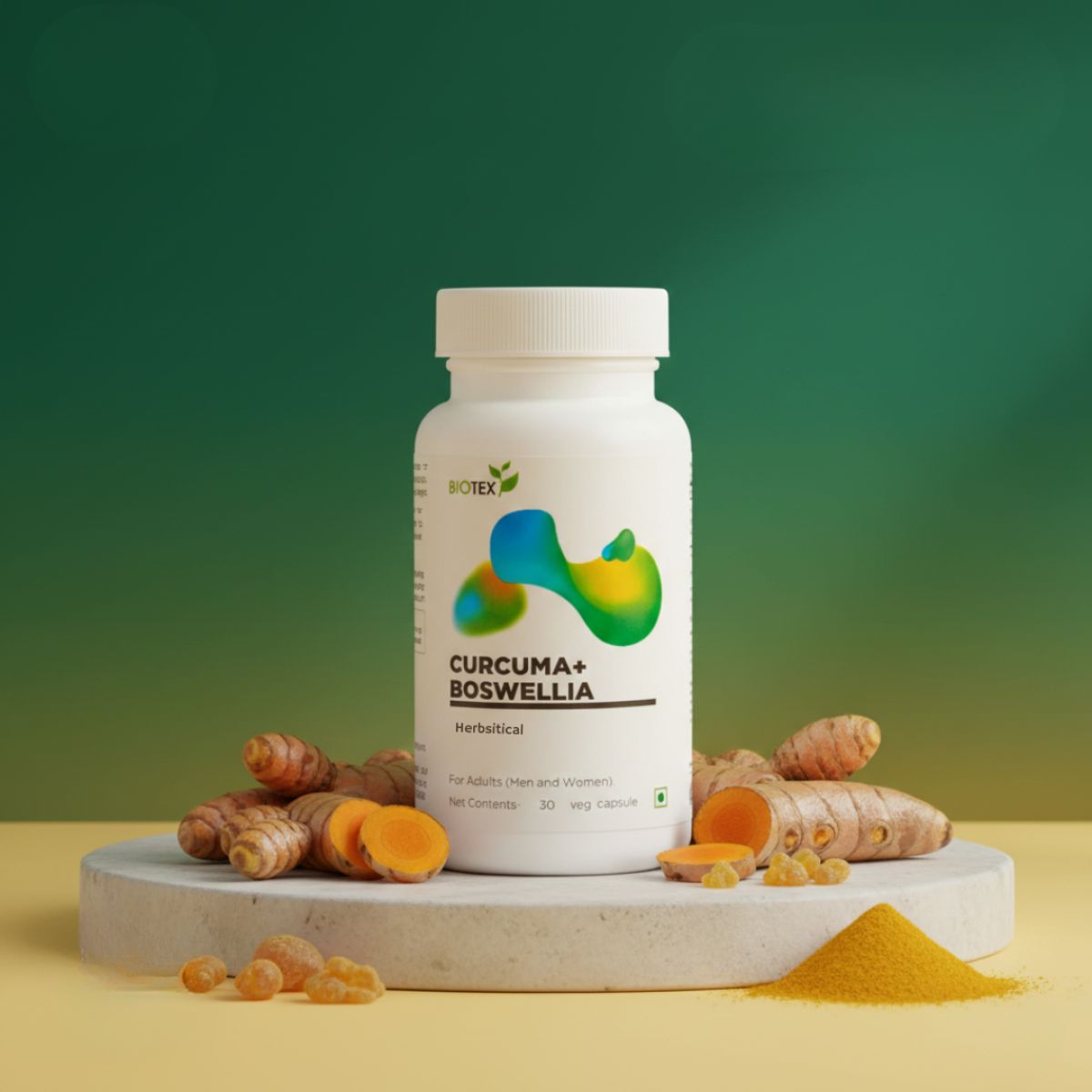
Curcumin is derived from the rhizome (root) of Curcuma longa plant.
Curcumin (diferuloylmethane) is a polyphenol & yellow-orange powder that is not soluble in water.
It is nontoxic in nature.
Curcumin is commonly used as a spice in the Indian kitchen as well as an additive color in food and yarn. It is analgesic & antiseptic and therefore has been used as a home remedy by mothers and grandmothers to take care of their growing children and family, for a variety of ailments.
IUPAC name:
(1E,6E)-1,7-Bis(4-hydroxy-3-methoxyphenyl)-1,6-heptadiene-3,5-dione
Other names:
Diferuloylmethane; curcumin I; C.I.75300; Natural Yellow 3, Turmeric.
Melting point: 183°C.
Molecular formula: C21H20O6.
Molecular weight: 368.37 g/mol.
The yellow color is due to presence of curcuminoids.
Curcuminoids present are:
Properties of curcumin and its three derivatives (demethoxy curcumin, bisdemethoxy curcumin, and diacetyl curcumin):
1) Antioxidative: protects hemoglobin from oxidation even in low concentration.
Curcumin functions as an antioxidant by acting upon antioxidant enzymes such as superoxide dismutase, catalase, and glutathione peroxidase.
2) Inhibits lipid peroxidation (LPO) in rat. LPO plays a primary role in the inflammatory pathology, in diseases of heart, and in malignancy.
Curcumin acts upon the following targets:
1) Effects on Gene expression:
Inhibits Cyclin D1, 5-LOX, COX2, iNOS, MMP9, IL-8, IL-6, TNF, IL-12.
2) Effects on Transcription factors:
Inhibits NF-κB, AP-1, Egr-1, STAT1, STAT3, EpRE, CBP, β-catenin
Enhances PPAR, Nrf2.
Action unknown on STAT5.
3) Effects on Enzymes:
Inhibits FTPase, Xanthineoxidase, uPA.
Enhances GST, Hemeoxygenase.
Action is unknown on GSH-px.
4) Effects on Protein kinases:
Inhibits IKK, EGFR, HER2, AKT, JAK2, TYK2, PKC, Src, PKA, JNK
5) Effects on miscellaneous:
Inhibits VCAM-1, ICAM-1, TF, ELAM-1, Bc l-2, Bcl-xl, AR/ARP, MDR.
Enhances P53.
Curcumin is:
Curcumin plays the following roles:
A paste of turmeric made with slaked lime is a wonderful home remedy used for inflammation & wounds.
Curcumin suppresses LPO, thus inhibiting inflammation.
In Alzheimer’s disease (AD), inflammation in the brain is characterized by increased cytokines and activated microglia. Curcumin decreases damage due to oxidation and amyloidosis in the brain of the mouse.
Curcumin prevents pathological and biochemical changes in the liver induced by alcohol.
Curcumin used postoperative, shows a better anti inflammatory result than placebo.
Curcumin acts at 3 stages of tumor formation:
1) Stage 1: Normal cells transforming into tumor cells
2) Stage 2: Tumor cells proliferating & tumor growth/spreads.
3) Stage 3: Tumor growth invading tissues by metastasis.
1) Role of curcumin in Stage 1 - Normal cells transforming into tumor cells:
Inhibition of constitutive activation of transcription factors STAT3, AP-1 & NF-kB.
Suppression of certain oncogenes (e.g., cHa-ras, c-jun, and c-fos).
2) Role of curcumin in Stage 2 - Tumor cells proliferating & tumor growth/spreads:
Inhibits Overexpression of: Oncogenes, HER2, Growth factors (e.g; EGF, PDGF, FGF), Growth factor receptors
Survival factors (e.g; Survivin, Bcl-2 and Bcl-xl), Cyclin D1, Decoy receptor
3) Role of curcumin in Stage 3 - Tumor growth invading tissues by metastasis:
Inhibits Overexpression of: Matrix metalloproteinase, Cyclooxygenase-2. Adhesion molecules, Chemokines, TNF.
Curcumin arrests cell-cycle and causes apoptosis in different types of cancer cell lines grown in culture.
Cancer cells invade normal tissue with the help of enzymes known as matrix metalloproteinases. Curcumin inhibits these enzymes.
A growing tumor needs to feed itself and so develops new blood vessels to ensure its blood supply. Curcumin stops new blood vessel formation in the endothelial cells of the blood vessels.
Antioxidant activity:
1) Direct action: Curcumin is an effectively mops molecules of reactive oxygen and reactive nitrogen.
2) Indirect action: Curcumin inhibits activity of enzymes involved in inflammation. It promotes formation of glutathione, which is a main intracellular antioxidant.
Glutathione plays a vital role in adaptation of cells to stress. Studies in cell culture suggest that curcumin can increase glutathione levels within a cell.
Curcumin suppresses lipid peroxidation (LPO) and therefore has anti-inflammatory effects.
Curcumin shows 10 times more antioxidant activity than even Vitamin E.
Repair of tissues and healing of the wound are complex processes, involving inflammation, granulation & remodeling of tissues. Punch wounds treated with curcumin closed faster than in untreated animals.
Increased amount of collagen was found to be deposited in wounds treated with curcumin.
Stable between pH 3 to 10.
Decomposed faster at natural to alkaline conditions.
1) Metabolism:
Curcumin metabolizes to dihydrocurcumin and tetrahydrocurcumin and that these complex substances are then metabolized to monoglucuronide conjugates.
Thus, curcumin–glucuronide, dihydrocurcumin–glucuronide, tetrahydrocurcumin–glucuronide, and tetrahydrocurcumin are major end products of metabolism of curcumin (in mice).
2) Bioavailability:
Bioavailability is poor due to its rapid metabolism in the liver and intestinal wall.
Since the bioavailability of curcumin in blood and tissues is low, its pharmacological activity may be mediated, in part, by its end products of metabolism.
The major metabolites in suspensions of human or rat hepatocytes were hexahydrocurcumin and hexahydrocurcuminol.
3) Degradation:
Major product:
Trans-6-(4′-hydroxy-3′-methoxyphenyl)-2,4-dioxo-5-hexenal
Minor products:
Vanillin, ferulic acid, and feruloyl methane.
Evidence clearly points that Curcumin protects against cancer, cardiovascular diseases, and diabetes.
Curcumin plays a prophylactic as well as a therapeutic role against Alzheimer’s disease, multiple sclerosis, cataract formation, AIDS, and drug induced nonspecific toxicity in the heart, lung, and kidney.
Research shows that in countries like India where Curcumin is commonly used and ingested show lesser incidence of malignancy, as compared to U.S.
In addition to the above mentioned diseases, curcumin is definitely beneficial in the following conditions:
Skin:
Psychiatric disorders:
Gastrointestinal disorders:
Neurologic disorders:
Lifestyle disorders:
Respiratory disorders:
Eye:
References:
Give your mental and physical health a boost with the potent, golden Nanocurcumin, now in a capsule!
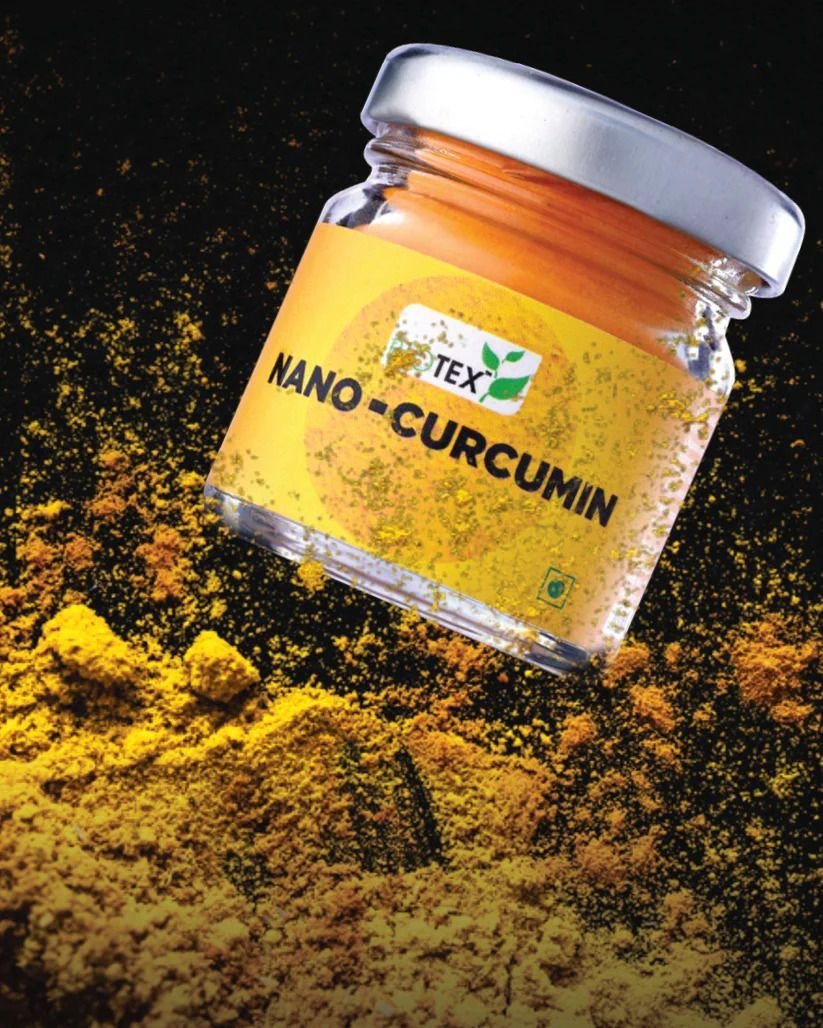
Advanced Nano Curcumin powder designed for enhanced absorption and daily wellness support. This water-soluble curcumin formula helps support immune health, inflammation balance, and overall vitality. Easy to mix in water, milk, juice, or food

 0
0
Choose an option
Your cart is empty
Explore Biotex products and add something to your cart.