Biotex
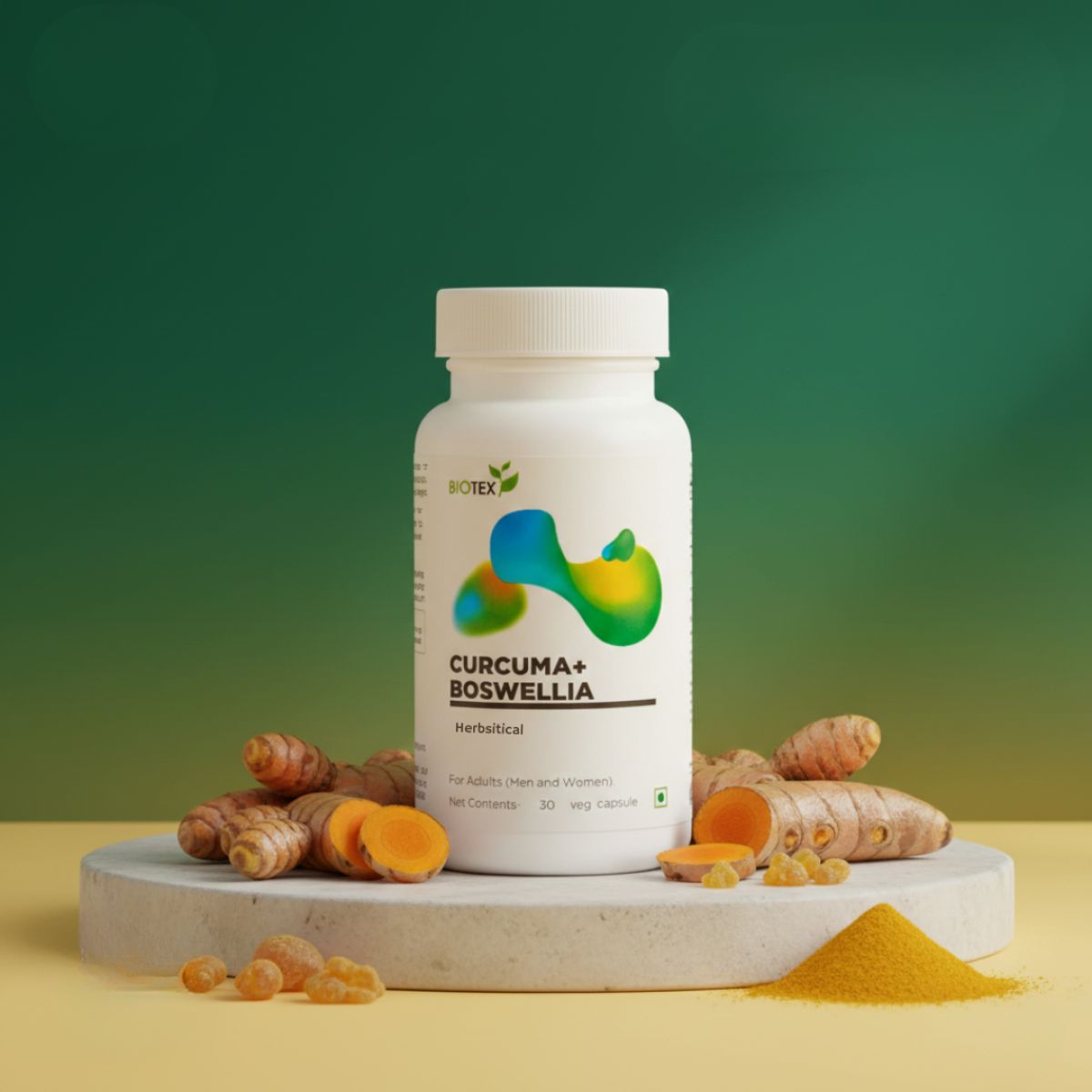
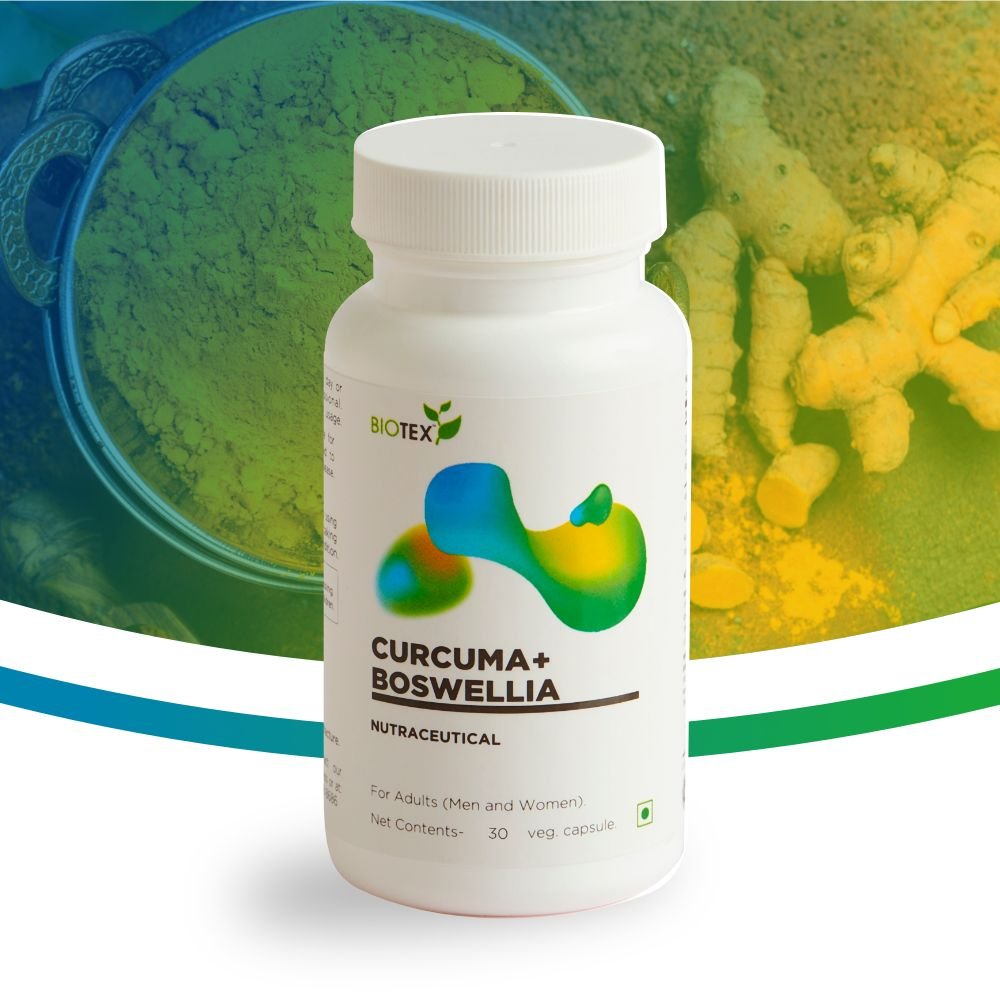
Curcuma Boswellia
Two is always better than one! Experience twice the positive results on joint health and anti-inflammation.
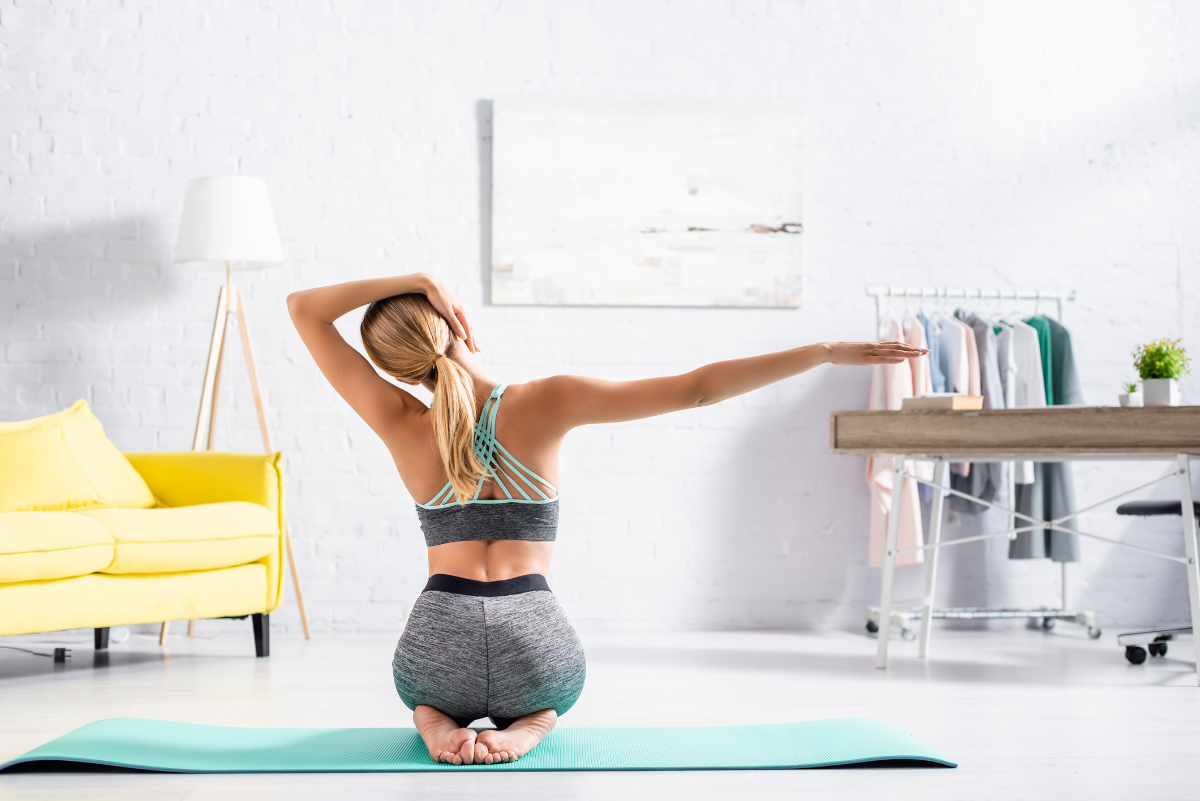
Caution: If you've experienced an accident triggering neck pain or if you're grappling with worsening arm pain, numbness, tingling, or weakness, consult your physician before initiating any exercises.
Acknowledged by spine experts, engaging in physical activity proves pivotal for those contending with neck pain. This guide elucidates strategies to remain active without exacerbating pain, emphasizing the potential to alleviate discomfort through carefully selected exercises. Beyond immediate relief, sustained activity acts as a preventive shield against future recurrences.
How does one stay active without aggravating pain? Surprisingly, specific exercises, outlined in this guide, not only mitigate pain but also facilitate rapid recovery, reducing the likelihood of pain resurfacing. As pain diminishes, additional exercises aid in restoring neck mobility and muscle strength, fortifying against future episodes. Even if pain intensifies during activities, temporary discomfort is deemed acceptable if it subsides upon cessation. Thus, the emphasis is on maintaining an active lifestyle.

Prudent exercise selection is crucial to prevent exacerbating neck pain. Recognizing worsening symptoms, spreading from the neck to the shoulder or arm during activities, prompts the need for careful exercise choices. Conversely, the positive phenomenon of symptom "centralization" denotes progress and recovery. Identifying exercises that intentionally centralize symptoms often leads to their reduction and eventual elimination with consistent practice. Monitoring pain, numbness, and tingling during exercises ensures a tailored approach, abandoning those exacerbating pain while embracing those offering relief.
Cultivating an erect posture while walking, with a "neutral" head position—ears aligned directly over shoulders—counteracts the detrimental habit of forward head positioning. Initiating this change requires consistent effort initially, gradually transforming it into a habitual stance.
Supine Neutral Head Position: Lying on your back, allow your head to gently fall backward, promoting the desired "neutral" position. Spending brief intervals in this state can alleviate or eliminate neck pain.
Supine Retraction: In a supine position, use your fingers to push your chin downward, feeling a stretch in the neck. Repeat cautiously, monitoring pain response, and cease if worsening occurs.
Sitting or Standing Neck Retraction: Place fingers on your chin, pushing your head backward. Experience the stretch in the neck, holding the retracted position briefly. Repeat for optimal benefits, ensuring pain reduction.
Worsening symptoms during sitting, indicating deviation from the neck toward the shoulder or arm, often trace back to poor posture. Rectifying the habit of slouching and maintaining a forward head position is pivotal for neck health. Achieving a "neutral" head position minimizes stress on the neck's discs and ligaments.
Establishing an erect sitting posture requires diligence and initially feels unfamiliar. Approaching it as an exercise aids in adapting to this new head position. Pain relief may be found by lying on your back with minimal or no pillow.
Maintaining a "neutral" head position is challenging initially but proves key to recovery and preventing pain recurrence. Self-monitoring pain responses helps determine the efficacy of posture modifications.
After controlling or eliminating symptoms, gradually reintroduce avoided activities and simple exercises. Sustained adherence ensures continued relief and prevents symptoms from reoccurring or worsening.
Cultivating an erect sitting habit, avoiding a protruded head position, contributes to long-term comfort.
Individuals with neck pain often exhibit weakness in neck, upper back, and core muscles. Strengthening and stretching these muscles promote blood flow, aid injury repair, enhance functionality, and provide stability. These exercises, including isometric strengthening and targeted lifts, contribute to overall health and are particularly valuable for neck pain management
Perform one set of each of these exercises twice a day. Over time, vary the position of your head and neck as your hand resists your movement, bending slightly forward, backward, or to each side.
Repetition: Repeat this exercise 5 times, twice a day.
Repetition: Repeat this lift 8-10 times, twice a day.
Repetition: Perform one set of 5 repetitions, twice a day.
Repetition: Perform one set of 5 repetitions for each direction, twice a day.
Remember to start these exercises gradually and consult with a healthcare professional if you experience any discomfort or have pre-existing health conditions.
Prioritizing neck care involves engaging in pain-relieving exercises, correcting head and neck posture, and incorporating moderate strengthening exercises. This holistic approach aids recovery and serves as a defense against future symptoms. It's crucial to understand that this guide offers general insights and should not substitute professional medical advice. Consultation with a physician is recommended for personalized guidance based on individual conditions.
Two is always better than one! Experience twice the positive results on joint health and anti-inflammation.
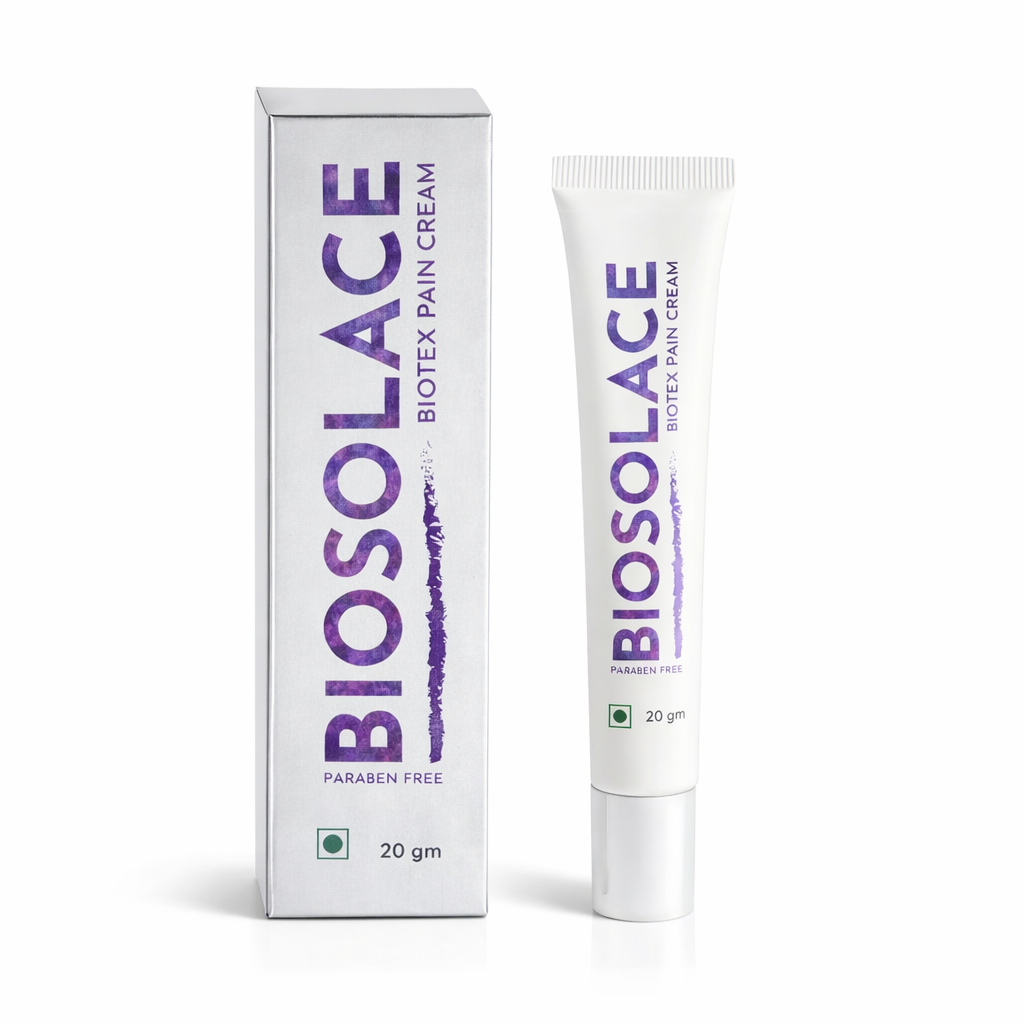
Ayurvedic proprietary pain relief cream formulated with menthol, camphor, ginger, black pepper, turmeric, and capsicum for soothing external application.

 0
0
Choose an option
Your cart is empty
Explore Biotex products and add something to your cart.